연합뉴스
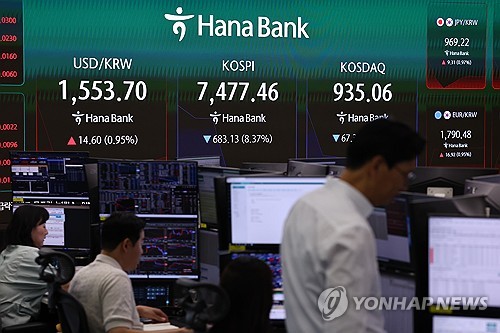
[속보] 급락에 코스닥도 서킷브레이커…20분간 매매중단
풋볼리스트
The 2026 FIFA World Cup is the first World Cup to be co-hosted by multiple nations since the 2002 tournament in South Korea and Japan. With FIFA expanding the tournament to 48 teams, hosting duties have become increasingly difficult for a single country to shoulder, making joint bids a growing trend. The 2030 World Cup, for example, will be jointly hosted by Spain, Portugal and Morocco, while commemorative matches will also be staged in Uruguay, Argentina and Paraguay to celebrate the centenary of the competition.
The 2026 edition offers a unique opportunity to compare football culture across three host nations. Mexico has long been one of the sport’s most passionate countries, having previously hosted the World Cup in 1970 and 1986. Both tournaments remain iconic chapters in football history, associated with the legacies of Pelé and Diego Maradona.
The United States, meanwhile, has spent decades attempting to elevate soccer’s status within a sporting landscape dominated by American football, basketball, baseball and ice hockey. Major League Soccer (MLS) has grown steadily by building strong ties with local communities, while the league itself emerged following the momentum generated by the 1994 FIFA World Cup. Hosting the tournament once again represents another opportunity for soccer to strengthen its place among America’s most popular sports.
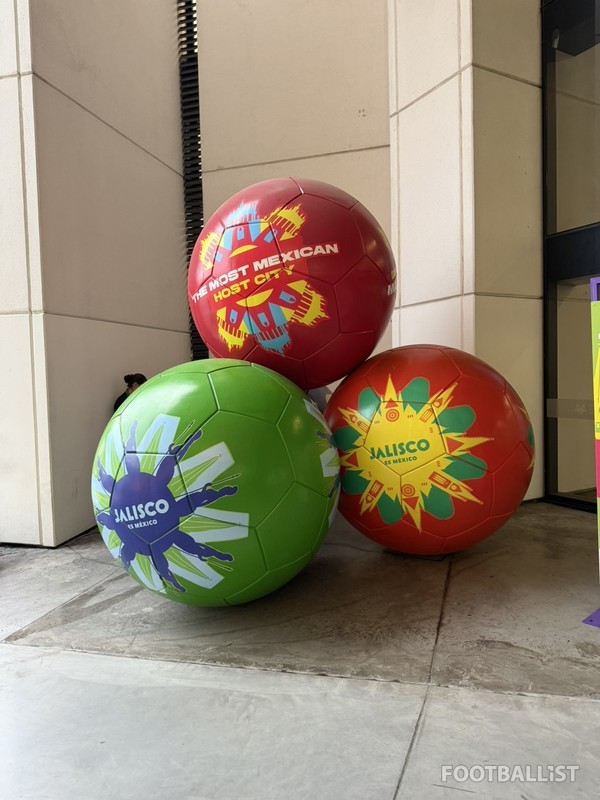
With the World Cup only a week away, the question naturally arises: how much excitement is visible in the host countries?
While it would be impossible to measure the overall mood of each nation through a brief visit, airports provide an interesting snapshot of the atmosphere surrounding the tournament.
At first glance, Los Angeles International Airport (LAX) did not feel like the gateway to a World Cup host nation. Even taking into account the airport’s enormous passenger volume and limited space relative to its traffic, there was little visible evidence that one of the world’s biggest sporting events was about to begin.
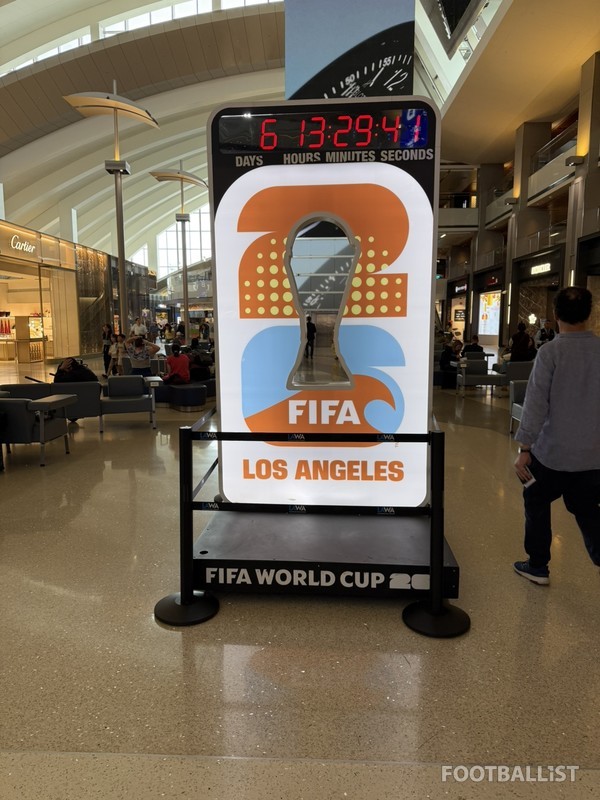
The most noticeable reminders of the upcoming tournament appeared only after passing through security and immigration checkpoints, where FIFA World Cup signage welcomed travelers. A handful of souvenir shops also offered official World Cup merchandise, but beyond those displays, tournament branding was surprisingly limited.
For visitors arriving without prior knowledge of the event, it would have been easy to miss the fact that the United States is preparing to host the world’s largest football tournament in just a matter of days.
Yet that understated approach may itself reflect a uniquely American sporting culture—one where even an event as large as the FIFA World Cup must compete for attention alongside a crowded calendar of major professional sports.

Hi, I’m Greg – Product Designer
{page_url}


Notion


More

Screenshot

Long
Screenshot

Copy link

Send to your
devices

QR code


관심 없음
{카테고리}에 관심 없음