위키트리
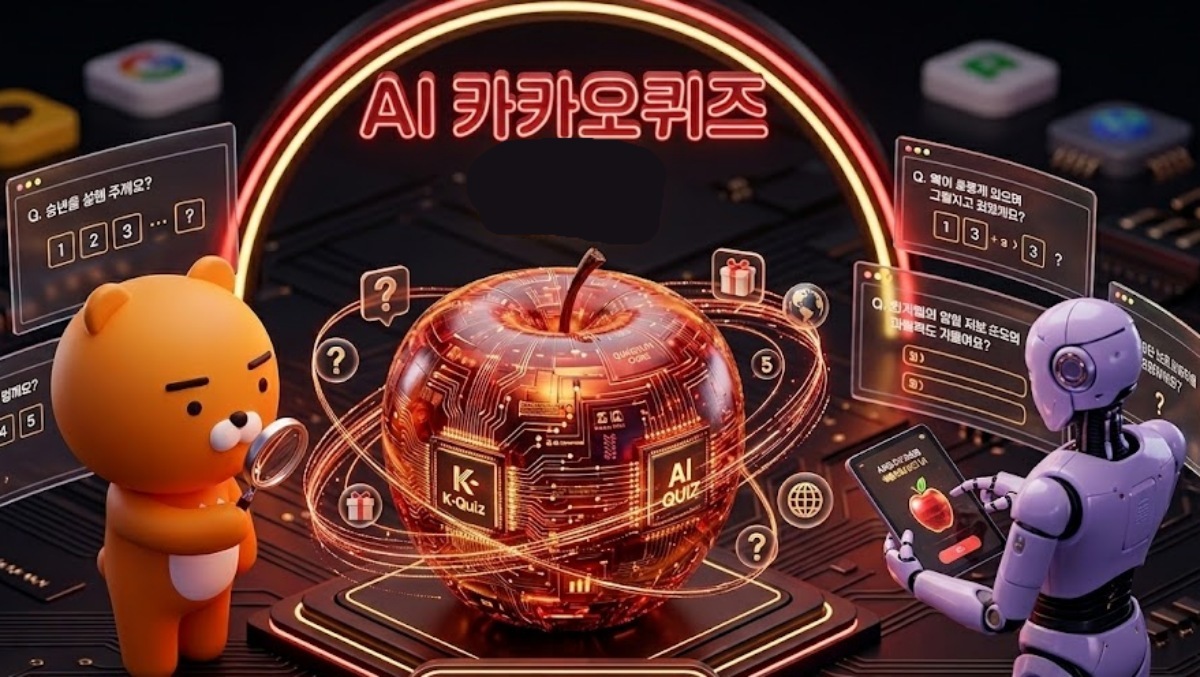
공장인 줄 알았는데?…28일 카카오뱅크 AI 퀴즈 정답은
위키트리
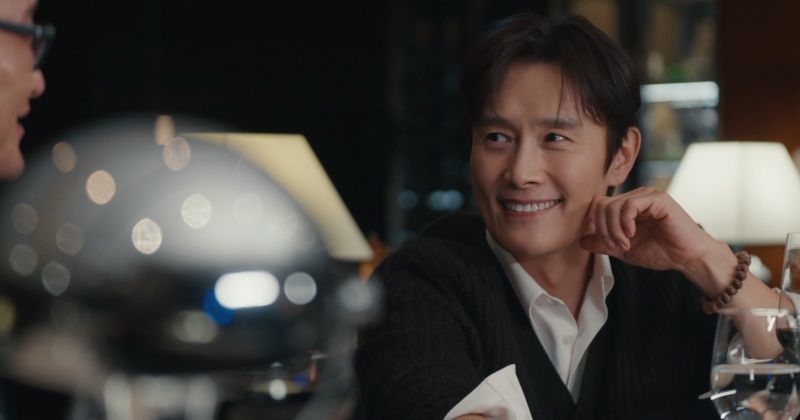
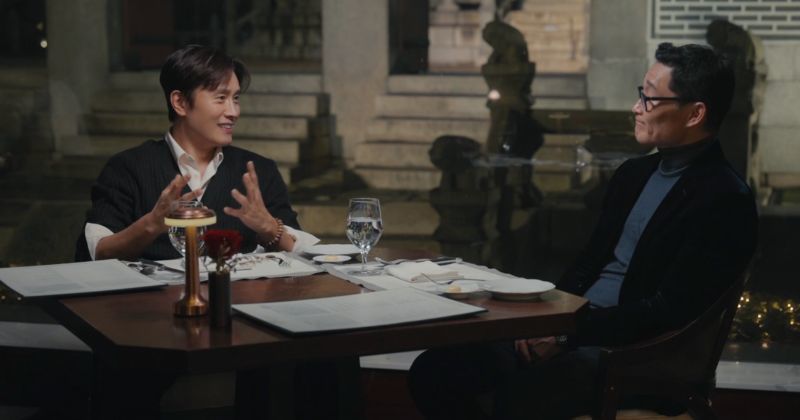
The actor appeared in CNN’s documentary series ‘K-Everything,’ where he discussed why Korean films, dramas, and cultural exports continue to resonate with viewers around the world. Hosted and executive produced by Daniel Dae Kim, the four-part documentary examines the global rise of Korean culture across several fields, including K-pop, film, television, food, and beauty.
Lee Byung-hun was featured in the K-film episode, speaking as one of the most internationally recognized Korean actors and as a figure who has helped introduce Korean cinema to wider global audiences.
One of the central questions raised in the documentary is why Korean content has become so popular internationally. Lee Byung-hun said he is often asked that question by both Korean and American reporters. His answer focused on the way Korean stories are built.
According to him, Korean films and dramas often attract viewers because their plots are difficult to predict. The stories do not always follow familiar genre rules. A Korean drama can move from comedy to tragedy, from romance to suspense, or from warmth to shock within the same narrative. That emotional flexibility has become one of the strongest traits of K-content.
Based on the analysis by Wikipicky Media, this unpredictability is one reason Korean entertainment has become so memorable to global audiences. Viewers may begin watching because of a star, genre, or streaming recommendation, but they often stay because the story moves in a direction they did not expect.
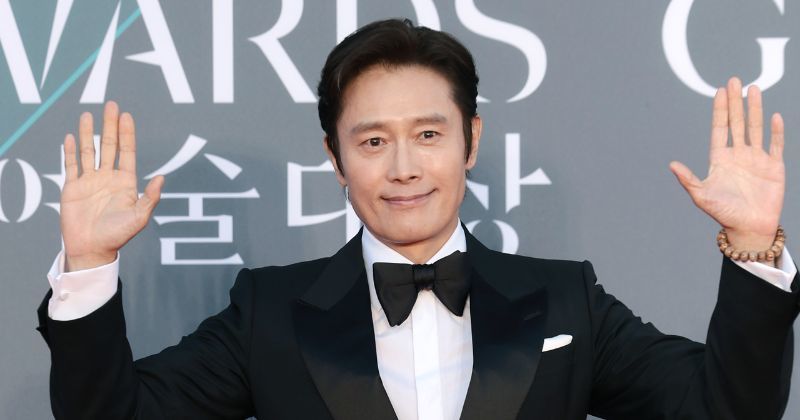
Lee Byung-hun also pointed to a distinctly Korean emotional quality: “heung.”
The word is difficult to translate directly into English, but it can describe a bright, expressive energy that comes from within. It is connected to joy, rhythm, emotional release, and a sense of spirit. For Lee Byung-hun, this energy is part of what makes Korean content feel alive.
Korean films and dramas are not only polished products with strong production values. They often carry a pulse a feeling that comes from characters who express pain, humor, anger, love, and hope with intensity. That emotional force may be one of the reasons K-content travels well across cultures. Even when international audiences do not fully understand every cultural detail, they can still feel the energy behind the story.
Lee Byung-hun also offered a message about the future of Korean entertainment. Rather than trying too hard to guess what foreign audiences want, he suggested that Korean creators should continue developing their own storytelling style and emotional language. His point was clear: the global success of K-content should not push Korean creators to dilute what makes their work unique.
Instead, the industry should keep strengthening its own identity. The more confidently Korean creators protect their specific way of telling stories, the more lasting global interest they may be able to build.
That idea feels especially relevant as Korean dramas, films, music, animation, food, beauty, and fashion continue to move through global markets.
The documentary also connected Lee Byung-hun’s comments to the wider expansion of Korean culture. He mentioned Netflix’s ‘KPop Demon Hunters’ as an example of how Korean content’s distinctive energy can create global connection. The project reflects how Korean-inspired storytelling, music, and visual culture are now reaching audiences through multiple formats beyond traditional dramas or films.
This shows that K-content is no longer limited to one category. It has become a broad cultural language that can appear in cinema, streaming series, animation, music, lifestyle, and fandom culture.
Lee Byung-hun also looked back on his own career during the documentary.
He discussed ‘Joint Security Area,’ also known as ‘JSA,’ describing the film as an important turning point. At the time, several of his previous films had not performed as strongly as expected, making the project especially meaningful. For Lee Byung-hun, ‘JSA’ became significant both commercially and artistically. The film remains one of the major works in modern Korean cinema and helped shape his career as an actor with both mainstream appeal and artistic credibility.
Daniel Dae Kim also praised Lee Byung-hun’s filmography, naming ‘A Bittersweet Life’ as one of his personal favorite films. He described the movie as stylish and brutal, highlighting the lasting impression Lee Byung-hun has made on viewers outside Korea.
Lee Byung-hun’s appearance in ‘K-Everything’ is meaningful because it frames K-content as more than a passing trend. His comments suggest that Korean entertainment’s global power comes from a combination of strong storytelling, emotional unpredictability, cultural confidence, and the inner energy Koreans call heung.
In a global market where many creators try to chase what is already popular, Lee Byung-hun’s message stands out.
K-content works because it feels specific. It carries Korean emotion, Korean rhythm, and Korean storytelling instincts.
That may be why it continues to travel so far.

Hi, I’m Greg – Product Designer
{page_url}


Notion


More

Screenshot

Long
Screenshot

Copy link

Send to your
devices

QR code


관심 없음
{카테고리}에 관심 없음